

江蘇維能電気有限公司は2009年4月23日に設立され、産業用電熱、電熱追跡ケーブル、制御システムの研究、開発、生産、販売、サービスに従事する専門メーカーです。
2025 年 6 月 12 日
エアダクトヒーターは、最新の暖房および換気システム、特に家庭用の不可欠なコンポーネントです。
詳細を見るYou are standing in a chemical plant, reviewing a replacement immersion heater for a process vessel. The nameplate shows the marking II 2G Ex d IIC T4 Gb, and the supplier says the unit is ATEX certified. The real question is what that marking means for your hazardous area, and whether it is enough to justify purchasing the heater.
ATEX certification is not an optional nice-to-have. It is a mandatory European safety framework that governs both equipment and workplaces in explosive atmospheres. If your equipment will be used in the EU, or if your project follows EU standards, understanding the two ATEX directives and the zone system is the first step in making a safe and compliant purchase decision.
The term ATEX comes from the French phrase Atmosphères Explosibles, meaning explosive atmospheres. In industrial procurement, ATEX certification refers to a set of European Union directives that ensure equipment, protective systems, and workplaces in explosive environments meet defined safety requirements. It is not just a certificate; it is a compliance system that covers design, manufacturing, testing, and intended use.
For a buyer, the core meaning of ATEX certification is risk reduction. Equipment used in a potentially explosive atmosphere can become an ignition source through hot surfaces, sparks, or arcs. The ATEX framework limits those risks and marks equipment with a clear zone and category designation. That allows a plant safety engineer or a purchasing manager to quickly see whether a given heater or control panel is suitable for a particular location.
To understand ATEX, it is essential to separate the two directives. One covers the workplace and the other covers the equipment itself.
ATEX 137 applies to the site. It requires employers to assess whether an explosive atmosphere exists and to classify hazardous areas into zones. This directive defines the gas and dust zone categories and states which equipment categories are allowed in each zone. In simple terms, it answers the question: how dangerous is the environment?
ATEX 114 applies to the equipment. It sets out the essential health and safety requirements that equipment, protective systems, and components must meet before they can be placed on the EU market. Equipment is certified according to its group and category, and the ATEX code is placed on the nameplate. This directive answers the question: is the device safe?
ATEX 114 covers not only electrical equipment but also non-electrical devices such as mechanical parts and protective systems. For electric heaters, the key requirements are preventing excessive surface temperatures, preventing sparks, managing static electricity, and ensuring an appropriate enclosure rating.
ATEX 114 divides equipment into two groups. Group I is for mining use. Group II is for surface industries where an explosive atmosphere may exist, such as chemical plants, oil refineries, paint shops, and food processing facilities. Most industrial buyers will deal with Group II only.
Group II equipment is divided into three categories based on the level of protection:
Zone classification is the backbone of the ATEX system. Areas are classified for gas or dust atmospheres, and each type has three zones. The zone number reflects how often a dangerous atmosphere occurs.
| Zone | Atmosphere | Frequency of Explosive Atmosphere | Equipment Category |
|---|---|---|---|
| 0 | Gas | Continuous or long term | Category 1 |
| 1 | Gas | Occasional | Category 1 or 2 |
| 2 | Gas | Rare and short term | Category 1, 2, or 3 |
| 20 | Dust | Continuous or long term | Category 1 |
| 21 | Dust | Occasional | Category 1 or 2 |
| 22 | Dust | Rare and short term | Category 1, 2, or 3 |
For a procurement engineer, this table is the starting point for selecting explosion-proof equipment. If your gas area is rated Zone 1, you need at least Category 2 equipment. Placing a Zone 2 device in a Zone 1 location is not compliant even if the device carries an ATEX mark.
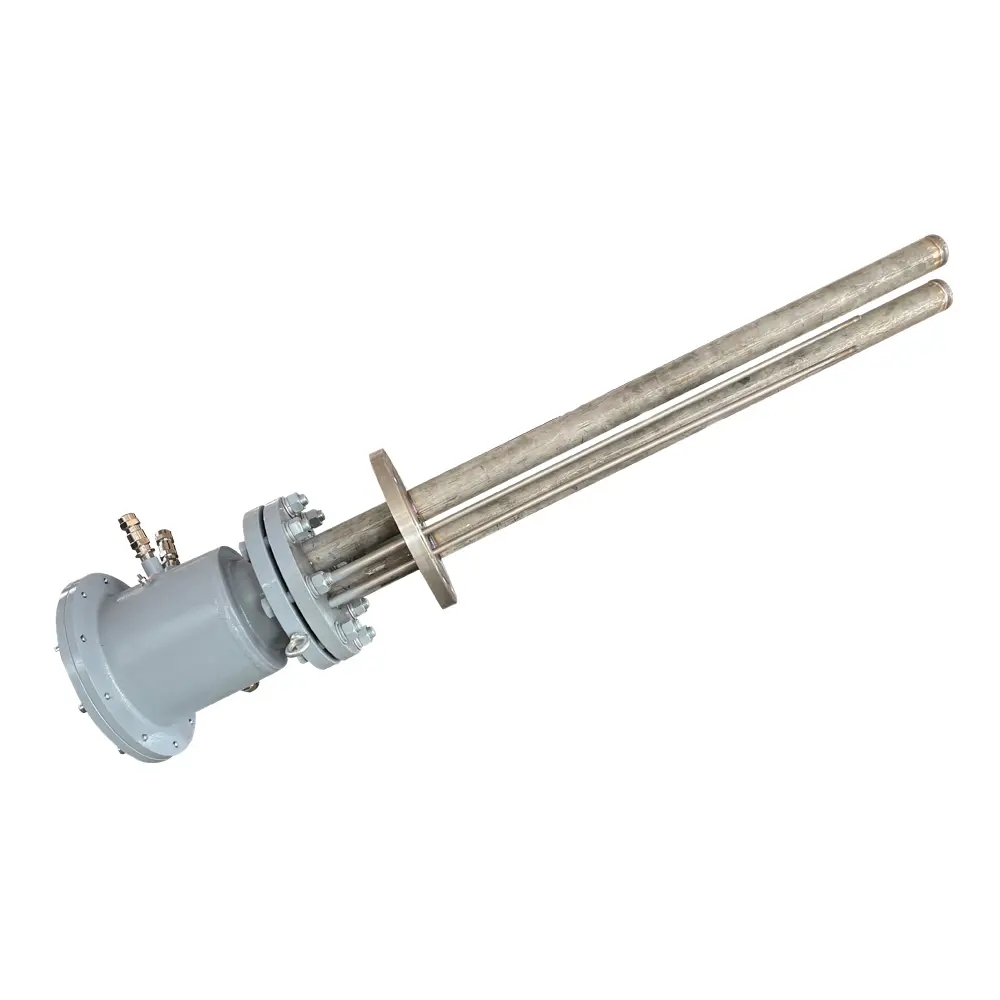 380V 6KW ATEX Certified Explosion Proof Immersion Heater This immersion heater is ATEX and IECEx certified for Zone 1 and 2 hazardous areas, with IP66 protection and durable alloys. It suits oil, gas, and chemical processing needs where safe, efficient heating is critical. View Product →
 An ATEX marking is usually a string of letters and numbers. A common example is II 2G Ex d IIC T4 Gb. Let us break it down:
Different protection concepts have different abbreviations. Examples include increased safety (Ex e), intrinsic safety (Ex i), and pressurized enclosures (Ex p). For industrial electric heaters, flameproof enclosure and surface temperature limitation are the two most common fundamental requirements.
Getting an ATEX certification is not a simple self-declaration for most explosion-proof equipment. The process generally includes:
Buyers should verify not just a verbal promise of certification, but the actual certificate copy, certificate number, model match, and validity date. For equipment imported from outside the EU, confirm that the ATEX marking, CE marking, and accompanying documents are all in place.
ATEX is a European legal framework, while IECEx is an international certification system run by the International Electrotechnical Commission. They share many technical standards and protection concepts, but they are not interchangeable.
If equipment must enter the EU market, it has to satisfy the ATEX directives. If a project is in the Middle East, Southeast Asia, or Australia, the IECEx certificate is often widely accepted. Many manufacturers hold both ATEX and IECEx certificates to cover different markets. When you are sourcing for a global project, confirm which certification type the project location accepts rather than relying on a single logo.
ATEX certification influences the product design of electric heating equipment directly. For an immersion heater, the sealing of the terminal box, the flange, and the sheath, as well as the surface temperature control of the heating elements, are all review items. A typical ATEX-certified immersion heater meets both flameproof enclosure requirements and a suitable temperature class.
Beyond the heater body, the control system must also be matched to the hazardous area. A flameproof control cabinet prevents sparks or arcs from the control circuitry, allowing operators to start and monitor equipment safely in an explosive gas atmosphere. If your site uses electric heat tracing, the trace heater control cabinet must likewise be suitable for the location.
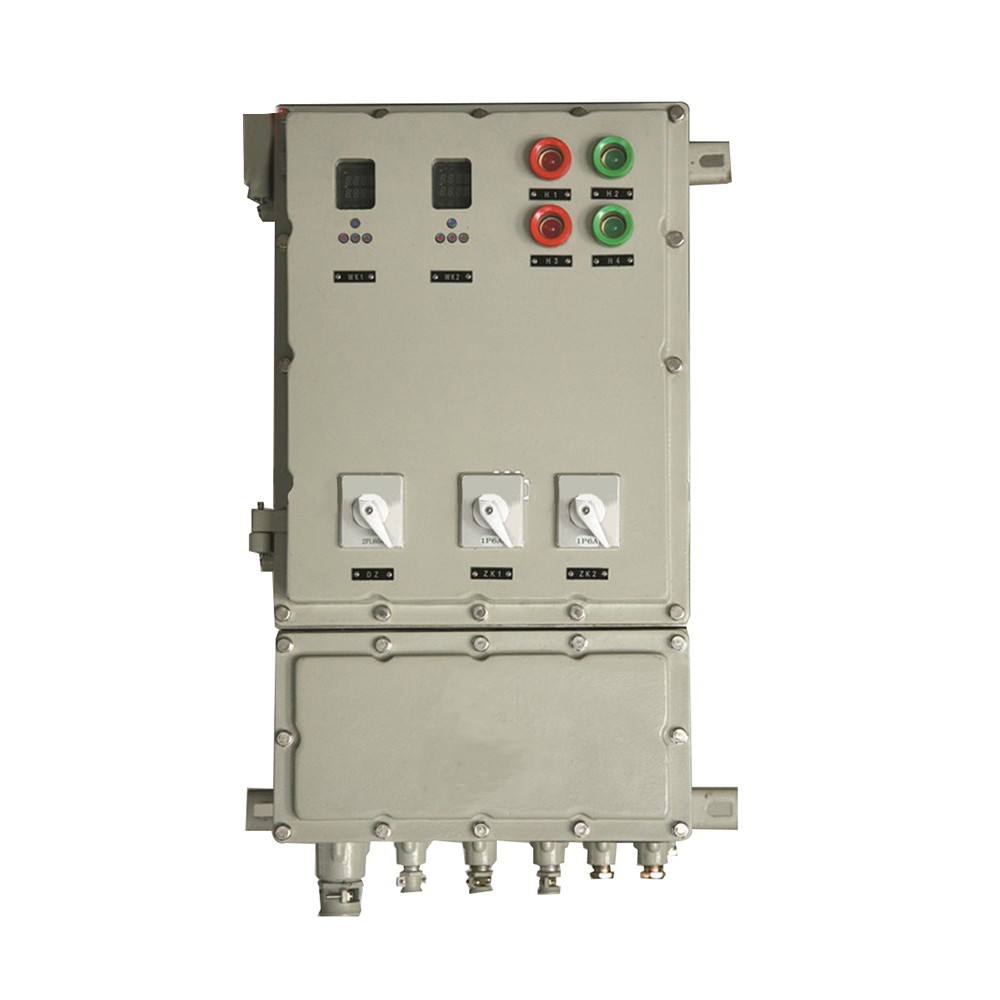 Flameproof Control Cabinet for Hazardous Industrial Environments Designed for explosive atmospheres, this cabinet houses controls securely, preventing ignition. It supports various industries and works with flameproof heaters, ensuring safe operation in demanding conditions. View Product →
 When planning a heat tracing system, you cannot focus only on the heating cable's own ATEX rating. The junction boxes, control cabinets, and installation method all need to be compatible. A trace heater control cabinet for hazardous locations typically includes overload protection and temperature limiting to prevent cable overheating. For process lines that require high-temperature freeze protection, confirm that the heating cable's temperature rating matches the process medium.
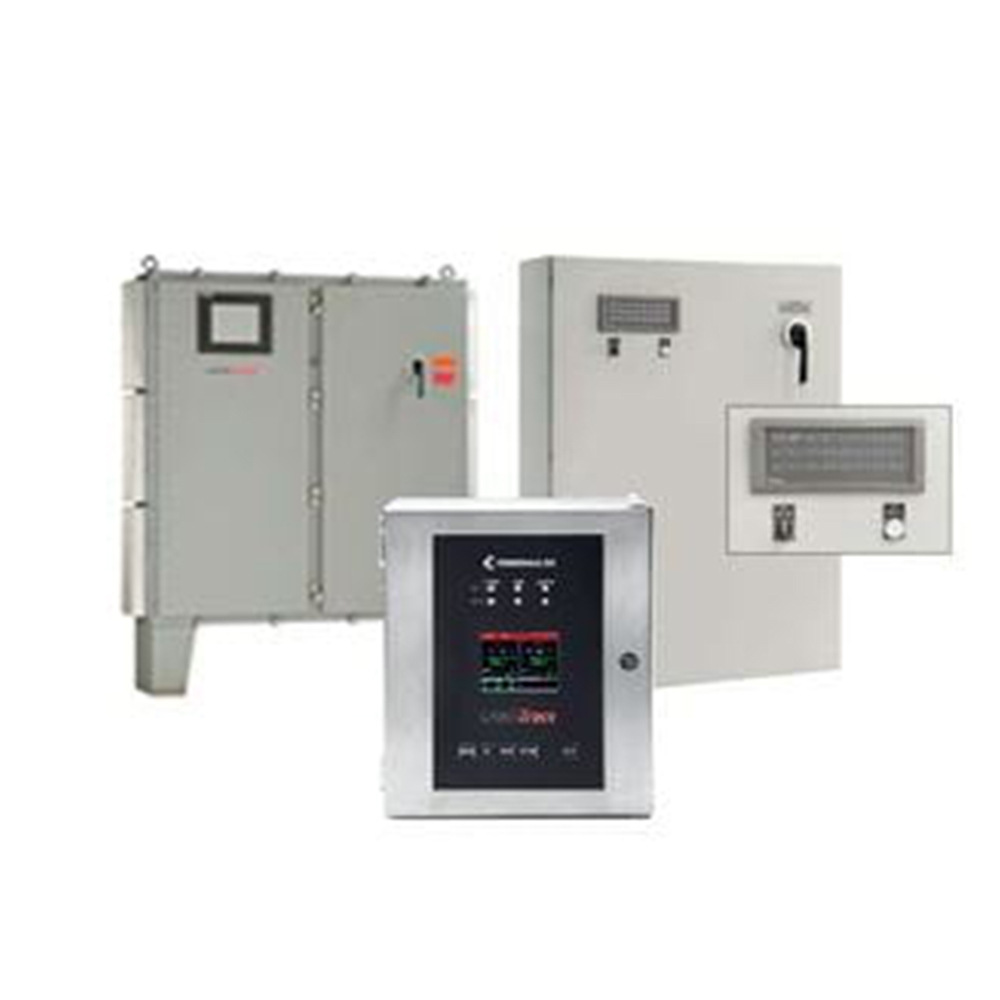 Heat Trace Control Cabinet for Hazardous Locations This control cabinet manages electric heat tracing with up to 72 circuits, providing temperature control and monitoring. Suitable for freeze protection and process maintenance, it ensures reliable performance in hazardous areas. View Product →
 Before you issue a purchase order, double-check the application and installation details. Read the operation and precautions for explosion-proof electric heaters to understand the common risks and maintenance steps. Also, check the supplier's track record by visiting their honor and certification page to confirm existing credentials and technical capabilities.
Another common procurement pitfall is mixing temperature classes. A heater with a T6 surface temperature class is limited to 85 degrees Celsius, while a T4 class allows 135 degrees Celsius. If the process fluid is viscous and needs higher surface temperatures, the temperature class must match the area classification. Selecting a higher temperature class than the zone permits may invalidate the protection concept.
Finally, consider service and support. An ATEX-certified heater is only safe if it is installed and maintained correctly. Work with a manufacturer that can provide engineering guidance on zone classification, power selection, and control integration, and that can supply replacement parts with the same certification status.
